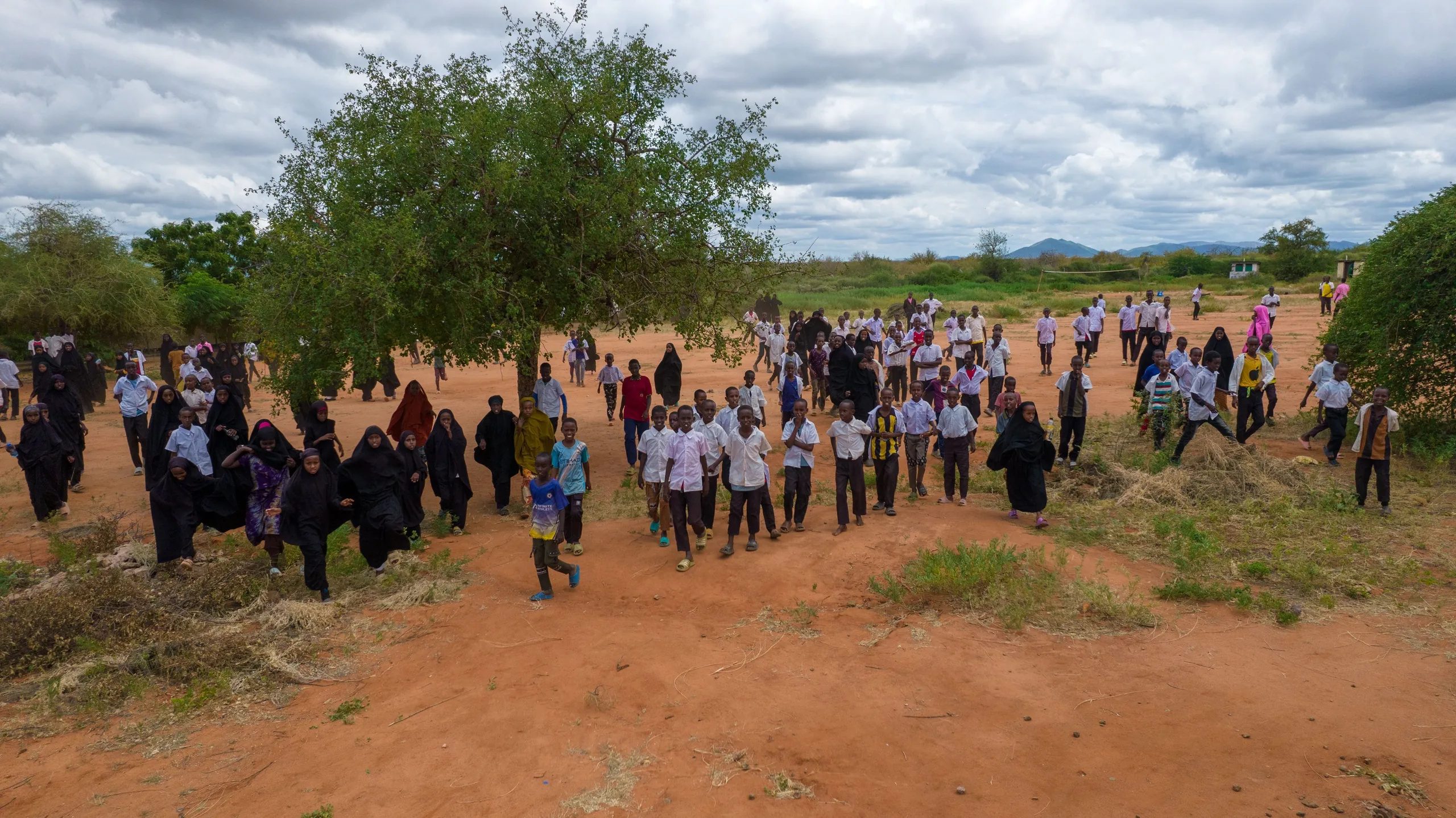
n much of northern Kenya, the barrier to family planning is rarely a lack of demand — it is a supply chain that was never designed for the distances involved. A dispensary serving a scattered pastoralist community may sit a full day’s drive from the nearest county medical store, over roads that become impassable for weeks at a time during the rains. When a commodity runs out under those conditions, it can stay out for months rather than days.
Population Council Kenya’s work in the region has focused less on demand creation — communities already understood the value of family planning — and more on the unglamorous mechanics of forecasting, ordering, and transport that determine whether a method is actually on the shelf when a woman asks for it. That has meant working directly with facility staff to build simple, realistic consumption-based ordering habits, rather than relying on a top-down allocation system that often ignored what a given dispensary was actually using.
It has also meant rethinking how commodities move that last stretch of road. In several sub-counties, health workers now coordinate resupply runs with existing outreach schedules — vaccination days, mobile clinics, veterinary campaigns — rather than waiting for a dedicated supply vehicle that may not be cost-effective to dispatch for a handful of facilities at a time.
“You can run the best demand-generation campaign in the country, but if the shelf is empty when she walks in, none of that matters. Out here, logistics is the program.” That reframing — treating supply chain reliability as a core program outcome, not a background administrative task — has shaped how facilities in the study now track and report stockouts.
“You can run the best demand-generation campaign in the country, but if the shelf is empty when she walks in, none of that matters. Out here, logistics is the program.”
Facilities that adopted the revised ordering and resupply approach have seen stockout periods shrink measurably compared with facilities still on the old allocation system, though staff caution that the rains remain the deciding factor in any given month. The Council is now examining which elements of the approach — locally-adapted forecasting, piggybacked transport, or closer supervision — travel best to other hard-to-reach counties facing the same last-mile problem.