t most coastal health facilities, family planning counseling has traditionally happened at a mother’s six-week postnatal visit — if she makes it back at all. For many women along the Kilifi coast, that return trip competes with childcare, farm work, and the cost of transport, and a large share simply never come. By the time a woman does resurface at a clinic, months may have passed with no contraceptive protection at all, at exactly the point when her body is most fertile again.
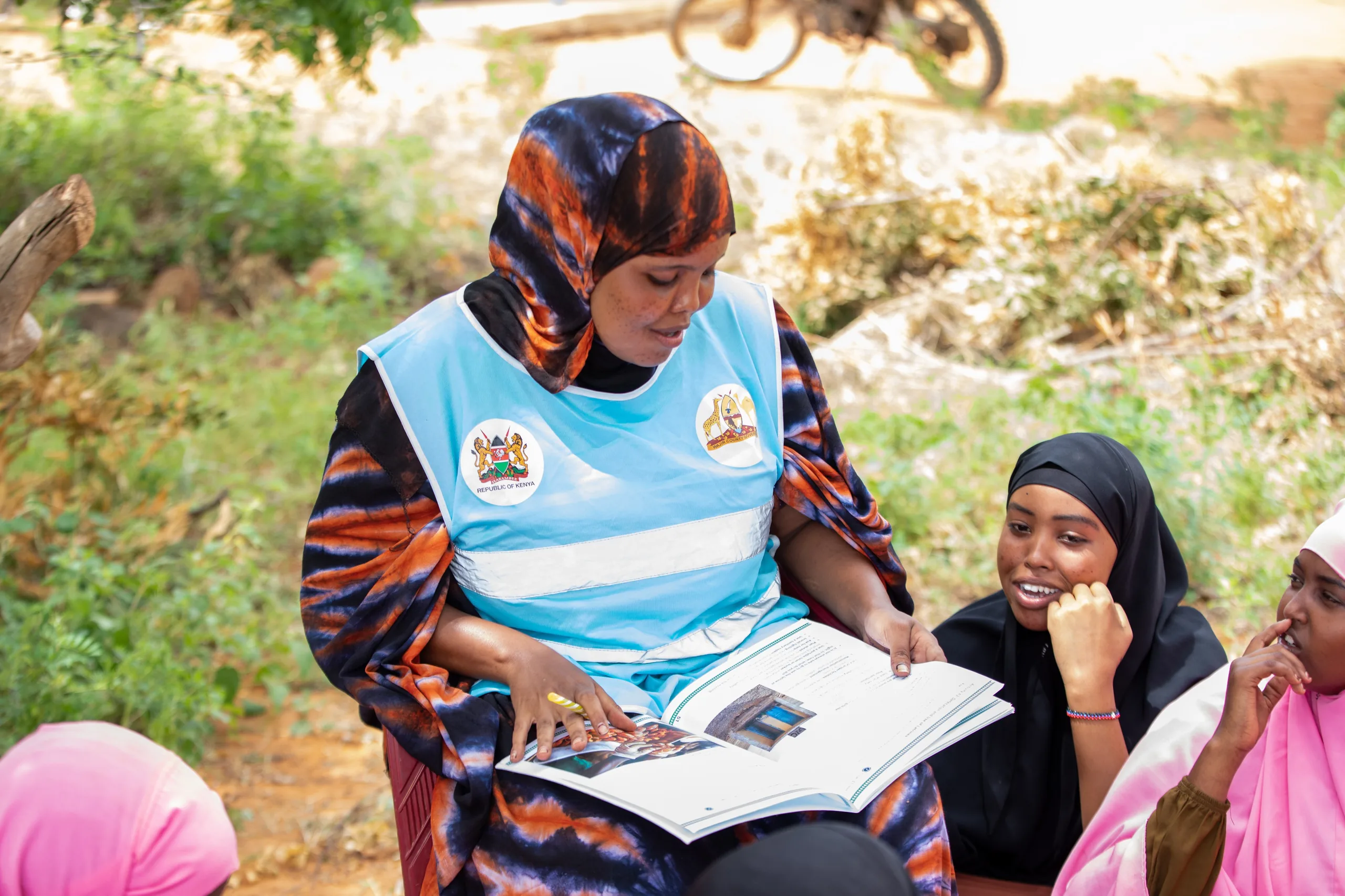
Population Council Kenya’s work in the region has focused on a deceptively simple fix: moving the conversation about family planning to the maternity ward itself, in the hours immediately after delivery, rather than waiting for a follow-up visit that may never happen. Nurses trained in postpartum family planning counseling now raise the topic before a mother is discharged, when she is still in the facility and has a trained provider in the room to answer questions on the spot.
The shift has meant retraining maternity staff who were used to treating delivery and family planning as two separate visits, two separate conversations, sometimes two separate departments entirely. It has also meant stocking postpartum-appropriate methods — including options safe for breastfeeding mothers — directly on the maternity ward rather than only in a separate family planning room down the corridor that a new mother is unlikely to visit before going home.
“A mother who has just given birth is not going to walk down the hall to a different room to ask about contraception three days later. If we want her to leave with a plan, we have to bring that conversation to her bedside.” That principle now shapes how postpartum counseling is scheduled across the participating facilities.
“A mother who has just given birth is not going to walk down the hall to a different room to ask about contraception three days later. If we want her to leave with a plan, we have to bring that conversation to her bedside.”
Facilities that have adopted bedside postpartum counseling report that far more mothers now leave with a family planning method already in place, compared with facilities still relying on the six-week follow-up model. Just as important, staff say mothers who receive counseling immediately after delivery ask more informed questions and are less likely to discontinue a method in its first few months — a pattern researchers are now tracking more formally as the approach expands to additional coastal facilities.